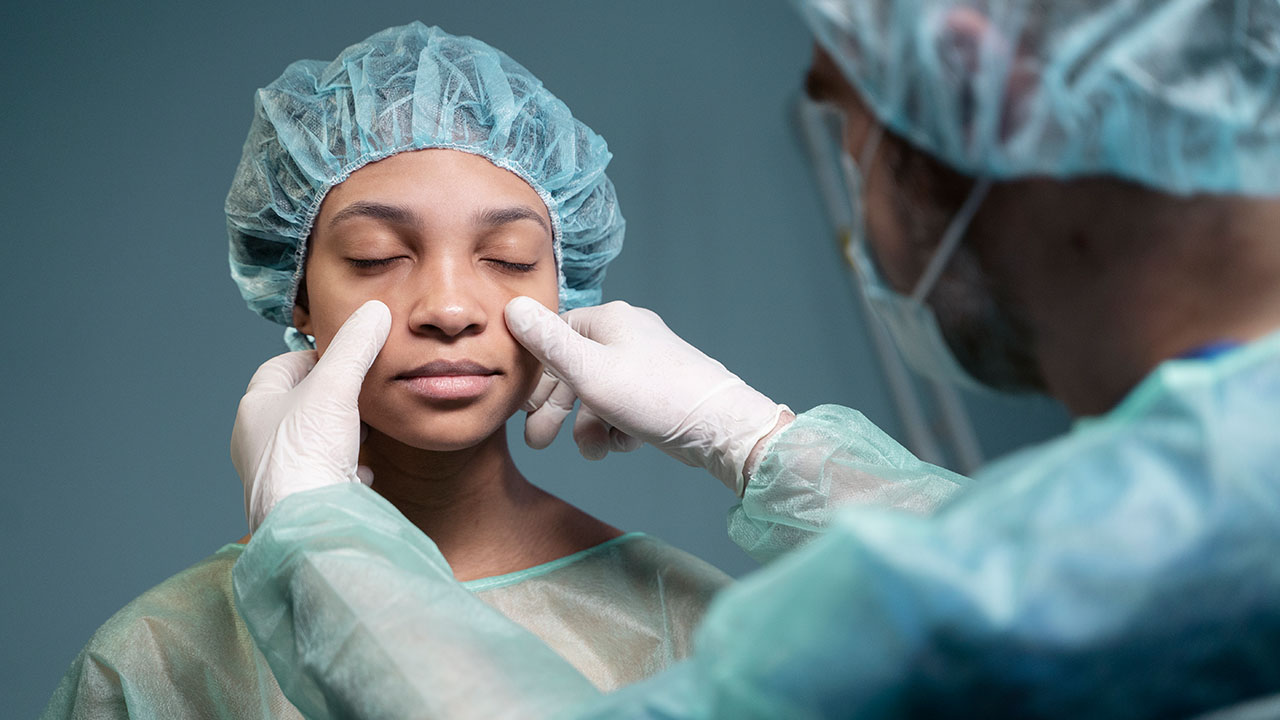
Oculoplastic Surgery is a specialised branch of ophthalmology that focuses on the structures surrounding the eye, including the eyelids, orbit (eye socket), tear ducts, and brow. Oculoplastic surgeons are ophthalmologists who have undergone additional fellowship training to perform both functional and cosmetic procedures around the eyes. These surgeries address conditions such as droopy eyelids, eyelid malpositions, tear drainage problems, orbital tumours, and aesthetic concerns.
At Dr Jyothi's Eye Hospital in Chandanagar, Hyderabad, we specialise in advanced Oculoplastic (Eyelid) Surgery including blepharoplasty, ptosis repair, entropion and ectropion correction, and tear duct surgery. Dr Jyothi, with her 12+ years of experience and expertise in oculoplastic procedures, has successfully helped numerous patients restore both function and appearance around their eyes.
Oculoplastic surgery can benefit patients with various functional and aesthetic concerns:
Oculoplastic surgery effectively treats several functional eyelid conditions:
Oculoplastic surgery also addresses several aesthetic concerns around the eyes:
We offer a comprehensive range of oculoplastic procedures tailored to your specific needs:
Blepharoplasty is a surgical procedure that removes excess skin, muscle, and fat from the upper and/or lower eyelids. It can be performed for functional reasons (improving vision blocked by droopy eyelids) or cosmetic reasons (reducing bags and wrinkles). Recovery typically takes 1 to 2 weeks.
Ptosis repair surgery tightens the levator muscle that lifts the upper eyelid. This functional procedure improves vision and facial symmetry. The procedure takes about 45 to 60 minutes, with most patients returning to normal activities within 2 weeks.
These procedures reposition the eyelid to its normal anatomical position. Entropion repair turns the eyelid outward, while ectropion repair tightens loose eyelids. Both procedures relieve irritation, tearing, and protect the cornea from damage.
DCR creates a new tear drainage pathway when the natural tear duct is blocked. This procedure eliminates chronic tearing, discharge, and prevents recurrent eye infections. Success rates exceed 90% for this procedure.
Surgical removal of benign or malignant eyelid growths followed by reconstructive surgery to restore normal eyelid structure and function. Complete removal with clear margins is essential, especially for cancerous lesions.
Orbital surgery treats conditions affecting the eye socket including orbital tumours, thyroid eye disease (proptosis/bulging eyes), orbital fractures, and inflammatory conditions. These complex procedures require specialised expertise.
A brow lift elevates drooping eyebrows that contribute to upper eyelid hooding. This procedure can be combined with blepharoplasty for comprehensive upper face rejuvenation.
These procedures tighten the lateral canthal tendons to correct eyelid laxity, improve eyelid position, and create a more youthful almond-shaped eye appearance.
Before recommending oculoplastic surgery, Dr Jyothi performs a comprehensive pre-operative evaluation:
Proper post-operative care ensures optimal healing and outcomes following oculoplastic surgery:
Oculoplastic surgery offers excellent outcomes for both functional and aesthetic concerns:
At Dr Jyothi's Eye Hospital, we provide specialised oculoplastic care with a patient-first approach:
Dr Jyothi has excellent knowledge and experience in performing all types of oculoplastic procedures. Her expertise, combined with meticulous surgical technique and compassionate care, makes Dr Jyothi's Eye Hospital the preferred choice for eyelid and orbital surgery in Hyderabad.
Experience specialised care for functional and aesthetic eyelid conditions with expert surgical precision.
Functional procedures restore normal eyelid position and movement, protecting the cornea and improving peripheral vision.
Blepharoplasty and brow lift reduce bags, wrinkles, and excess skin for a brighter, more alert look.
Most patients return to normal activities within 1 to 2 weeks after eyelid surgery.
Functional results are typically permanent, while aesthetic improvements often last for many years.
Many oculoplastic procedures can be performed through small incisions hidden in natural creases.
Competitive pricing with clear cost breakdown and insurance acceptance for functional procedures.
Functional oculoplastic procedures that address medical issues are typically covered by health insurance. This includes ptosis repair when it blocks the visual field, entropion and ectropion repair, tear duct surgery, and tumour removal. Cosmetic procedures like blepharoplasty for purely aesthetic reasons are not covered. Dr Jyothi's team will help verify your insurance coverage and provide documentation to support medical necessity claims.
Initial recovery from blepharoplasty takes about 7 to 10 days. Swelling and bruising peak around 2 to 3 days after surgery and gradually subside. Most patients return to work and normal activities within 1 to 2 weeks. Stitches are removed or dissolve within 5 to 7 days. Final results become visible after 3 to 6 months when all residual swelling has resolved completely.
As with any surgery, oculoplastic procedures carry some risks including bleeding, infection, swelling, bruising, scarring, dry eyes, temporary blurring, and asymmetry. Specific risks depend on the procedure performed. More serious but rare complications include eyelid malposition, incomplete closure, corneal exposure, and vision changes. Choosing an experienced oculoplastic surgeon like Dr Jyothi significantly minimises these risks.
Oculoplastic surgery is performed under local anaesthesia with sedation or general anaesthesia depending on the procedure. You will not feel pain during the surgery. After surgery, most patients experience mild discomfort, tightness, and swelling rather than significant pain. Pain is typically well-managed with over-the-counter medications or prescribed pain relievers as needed.
The cost of oculoplastic surgery varies depending on the type of procedure (blepharoplasty, ptosis repair, tear duct surgery, etc.), complexity, and whether it is performed for functional or cosmetic reasons. At Dr Jyothi's Eye Hospital, we offer affordable and transparent pricing for all oculoplastic procedures. Functional procedures may be covered by insurance. Please contact us at +91 73373 56570 for a detailed consultation and personalized quote.
An experienced oculoplastic surgeon places incisions in the natural creases of the eyelids where scars are well-hidden. Upper eyelid incisions are hidden in the eyelid crease, while lower eyelid incisions are placed just below the lash line or inside the eyelid (transconjunctival approach). Over time, scars fade and become barely noticeable. Most patients are very satisfied with their scar appearance within 6 to 12 months after surgery.